
Traveling to the most isolated regions of Africa no longer means leaving culinary excellence behind. Modern luxury safaris seamlessly blend the thrill of wildlife encounters with world-class gastronomy. Guests return from a morning game drive to find freshly baked pastries, artisanal coffees, and gourmet meals waiting for them. The contrast between the untamed wilderness and the refined dining experience creates a truly unforgettable adventure.
“Delivering haute cuisine in locations accessible only by light aircraft requires immense skill and dedication,” says Frank Steenhuisen, co-founder and lead safari expert at SAFARI FRANK. “Chefs in these remote camps rival those in top city restaurants, creating masterpieces over open fires and using the freshest local ingredients.”
The Logistics of Bush Gastronomy
Operating a high-end kitchen miles away from the nearest town presents unique challenges. Executive chefs must plan menus weeks in advance. Ingredients arrive via small bush planes or specialized off-road delivery vehicles. Camps rely on highly organized supply chains to ensure fresh produce, premium meats, and delicate items reach the kitchen in perfect condition.
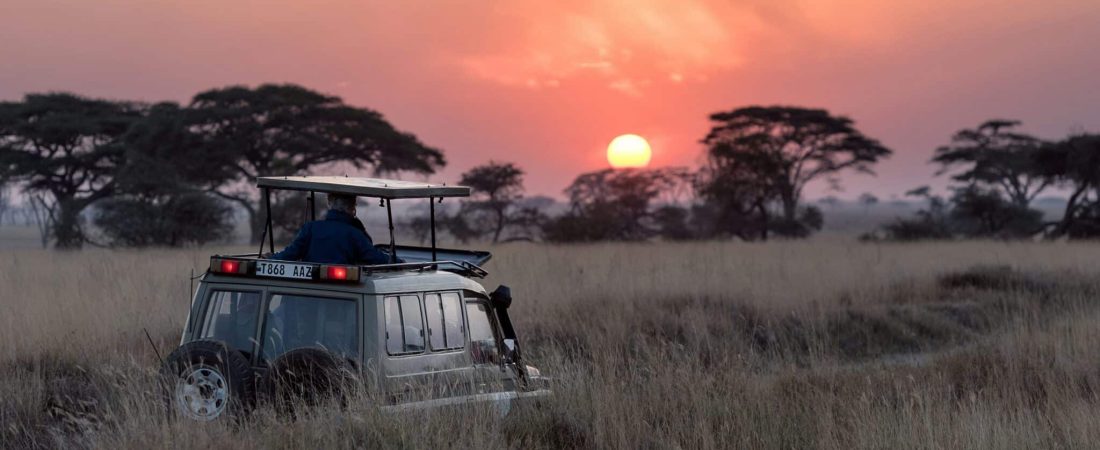
The transit of a single ingredient highlights the dedication of the lodge staff. A wheel of artisanal cheese or a punnet of fresh berries might travel on a commercial flight, transfer to a light aircraft, and finish the trip in the back of a 4×4 safari vehicle. Once the supplies arrive, the kitchen team must store them carefully. Many properties operate entirely off the grid. Kitchens rely on solar power arrays and innovative refrigeration systems to store ingredients safely.
Chefs often embrace traditional cooking methods to complement their modern techniques. They use open wood fires, underground ovens, and cast-iron pots to prepare complex dishes. This approach adds an authentic smoky flavor to the food while maintaining five-star presentation standards.
Farm to Table in the Wilderness
Sustainability sits at the core of modern safari dining. High-end lodges prioritize sourcing ingredients from local communities. Many camps establish their own organic vegetable gardens on the periphery of the wildlife reserves. These gardens provide a constant supply of fresh herbs, leafy greens, and seasonal vegetables.
Camp managers employ clever techniques to protect these gardens from hungry elephants and mischievous monkeys. They use natural deterrents like chili fences and bee hives to keep the wildlife at bay. Purchasing produce from nearby villages supports the local economy. This practice reduces the carbon footprint associated with flying in food.
Guests enjoy meals that reflect the regional terroir. A dinner in Kenya might feature coastal spices and Swahili influences. A menu in South Africa often highlights indigenous ingredients like rooibos, fynbos botanicals, and wild venison. This hyper-local approach ensures that the food tells a story about the specific landscape.
Curated Wine Cellars in the Wild
A fine meal requires an exceptional wine pairing. Remote safari lodges boast some of the most impressive wine cellars on the continent. Sommeliers curate extensive collections featuring award-winning vintages from South Africa’s renowned wine regions, including Stellenbosch and Franschhoek.
Transporting fragile glass bottles across bumpy dirt roads demands careful packing and temperature control. Once at the lodge, the wines rest in climate-controlled cellars powered by renewable energy. Guests can participate in guided wine tastings before dinner. Sommeliers work closely with the executive chefs to ensure each course is perfectly matched with a complementary vintage.
The wine experience often extends beyond the dining room. Guides frequently pack a selection of chilled white wines and full-bodied reds for the evening game drive. Enjoying a premium glass of wine while watching a herd of elephants cross a river elevates the traditional safari sundowner to a new level of luxury.
Iconic Culinary Experiences on Safari
Dining on safari extends far beyond the main lodge restaurant. The environment itself becomes the dining room. Camps design meals to maximize the connection with nature.
- Sunrise bush breakfasts served on the open plains after a morning game drive
- Gourmet picnic lunches set up beside a river teeming with hippos
- Classic sundowner cocktails and elegant canapés enjoyed as the sun dips below the horizon
These experiences require careful planning from the camp staff. Guides and trackers set up full dining tables, complete with crystal glassware and linen napkins, in the middle of the wilderness. They scout locations for safety and scenic beauty, ensuring guests can dine peacefully while surrounded by the sights and sounds of the African bush.
Top Accommodations for Fine Dining
SAFARI FRANK partners with properties that elevate the culinary arts. These lodges combine breathtaking locations with extraordinary food and beverage programs.
Ellerman House
Location: Cape Town, South Africa
Perched on the slopes of Lion’s Head, Ellerman House offers an unmatched culinary experience before guests even head into the bush. The property features a legendary wine gallery housing thousands of rare South African vintages. The executive chef crafts daily menus based on the freshest seasonal ingredients sourced from local Cape markets. Guests enjoy refined dining with sweeping views of the Atlantic Ocean.
MalaMala Rattray’s Camp
Location: MalaMala Game Reserve, South Africa
MalaMala Rattray’s Camp represents the pinnacle of classic safari elegance. The camp pairs exceptional Big Five game viewing with formal dining experiences. Guests sit down to crystal and silver table settings in the elegant dining room or on the expansive wooden deck. The culinary team specializes in premium cuts of meat and delicate desserts, perfectly complemented by an extensive selection of South African wines.
Duba Plains Camp
Location: Okavango Delta, Botswana
Set deep within the Okavango Delta, Duba Plains Camp delivers a masterclass in remote luxury. The camp’s kitchen produces extraordinary meals despite its isolated island location. Chefs use fresh, locally sourced ingredients to create pan-African dishes with a modern twist. Guests often enjoy interactive cooking demonstrations and private dinners set against the backdrop of the surrounding floodplains.
Lemala Ngorongoro
Location: Ngorongoro Crater, Tanzania
Positioned near the rim of the famous Ngorongoro Crater, this camp offers a cozy, intimate dining atmosphere. The high altitude brings chilly evenings, making the camp’s hearty, warming meals a welcome comfort. The chefs prepare fresh breads, rich soups, and perfectly roasted meats. Dinners are served in a communal tent, allowing guests to share stories of their daily wildlife sightings over exceptional food.
Leopard Hill
Location: Maasai Mara, Kenya
Leopard Hill blends innovative architecture with outstanding hospitality. The camp features a unique dining setup where guests can enjoy meals under the vast African sky. The culinary team focuses on light, vibrant dishes that provide energy for long days of game viewing. Traditional Kenyan flavors are woven into contemporary recipes, offering a true taste of East Africa.
Zuri Zanzibar
Location: Zanzibar, Tanzania
For those extending their safari to the coast, Zuri Zanzibar provides a spectacular culinary finale. The resort celebrates the island’s history as a spice trading hub. The menus feature fresh seafood caught daily by local fishermen, infused with aromatic cloves, nutmeg, and cinnamon. Guests can dine on the pristine white sand beach, enjoying a fusion of Swahili, Indian, and European flavors.
Tailoring the Menu to the Guest
Luxury safari camps excel at personalized service. Executive chefs contact guests prior to arrival to discuss dietary preferences and restrictions. Kitchens easily accommodate vegan, gluten-free, and allergy-specific requests without compromising on quality or flavor.
Couples celebrating a honeymoon or anniversary can request private dining experiences. Staff will arrange a secluded table on a private deck or a lantern-lit setup in a dry riverbed. This level of customization ensures that every meal feels exclusive and thoughtfully prepared. Children also receive special attention, with chefs creating fun, nutritious meals that appeal to younger palates.
The Magic of the Boma Dinner
No safari is complete without a traditional boma dinner. A boma is an outdoor enclosure, historically used to protect livestock, now transformed into a magical dining space. Guests gather around a roaring central fire under a canopy of stars.
Chefs prepare a feast of grilled meats, spiced vegetables, and traditional side dishes over the open flames. The atmosphere is relaxed and convivial. Local staff often share stories of the bush or perform traditional songs. The boma dinner connects guests to the rich cultural heritage of the region while delivering a spectacular feast. The smell of woodsmoke and roasting meat creates a sensory memory that lasts long after the trip ends.
The Art of the Morning Coffee
The culinary experience begins before the sun rises. Wake-up calls in the bush are accompanied by a gentle knock on the door and a tray of freshly brewed coffee or tea. Guests sip their morning beverages while listening to the dawn chorus of birds and distant animal calls.
During the morning game drive, the guide will stop at a scenic viewpoint for a coffee break. The vehicle’s hood transforms into a makeshift café counter. Guides serve hot drinks alongside homemade rusks, muffins, and biscuits. This simple yet elegant tradition provides a moment of quiet reflection amidst the excitement of tracking wildlife.
Pairing Safaris with Culinary Excellence
Selecting the right destination is essential for food enthusiasts. South Africa remains a top choice for those who want to combine world-class vineyards with wildlife. A safari in the Greater Kruger National Park pairs perfectly with a few days exploring the Cape Winelands.
Botswana offers a more rugged, isolated experience. The luxury camps in the Okavango Delta refuse to compromise on dining standards, flying in premium ingredients to create oasis-like dining experiences. Kenya and Tanzania provide the classic East African safari, where meals are often enjoyed on the open savanna surrounded by migrating herds. SAFARI FRANK designs itineraries that match your wildlife interests with your culinary expectations.
Health and Safety in Remote Kitchens
Maintaining strict hygiene standards is a top priority for luxury lodges. Kitchens adhere to international food safety protocols. Water used for cooking and drinking undergoes rigorous filtration and purification processes.
Staff receive continuous training in food handling and preparation. Guests can enjoy fresh salads, ice in their drinks, and rare meats with complete peace of mind. The commitment to health and safety allows travelers to fully indulge in the culinary offerings without hesitation.
The evolution of safari dining has transformed the African wilderness into a premier culinary destination. Travelers no longer have to choose between raw adventure and refined luxury. The dedicated chefs, sommeliers, and camp staff work tirelessly to ensure that every bite matches the majesty of the surrounding landscape. Let the expert team at SAFARI FRANK, guided by Frank Steenhuisen, craft a bespoke itinerary that satisfies your appetite for both wildlife and world-class cuisine.About Frank Steenhuisen
Frank is the lead safari expert at luxury safari specialists SAFARI FRANK, helping travelers experience Africa’s wildlife safely and sustainably. Learn more at SAFARI FRANK.